NIPR Calls for Africa-Wide Framework to Groom Next Generation of PR Professionals
Public Relations professionals across Africa have been urged to prepare deliberately for the future by strengthening professional networks, upgrading their skills and creating structured pathways for grooming the next generation of communication leaders.
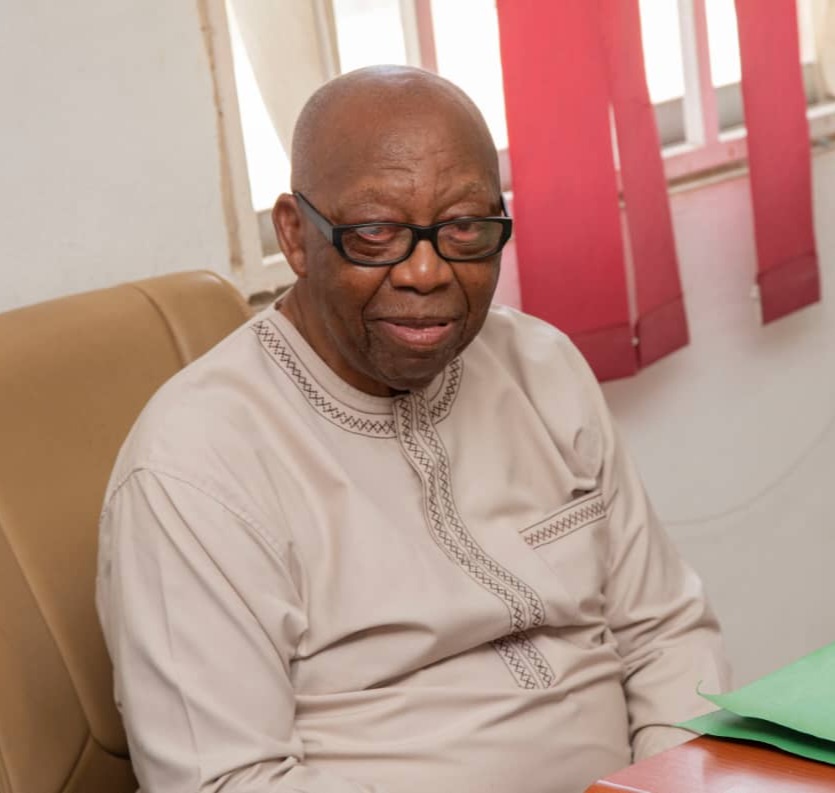
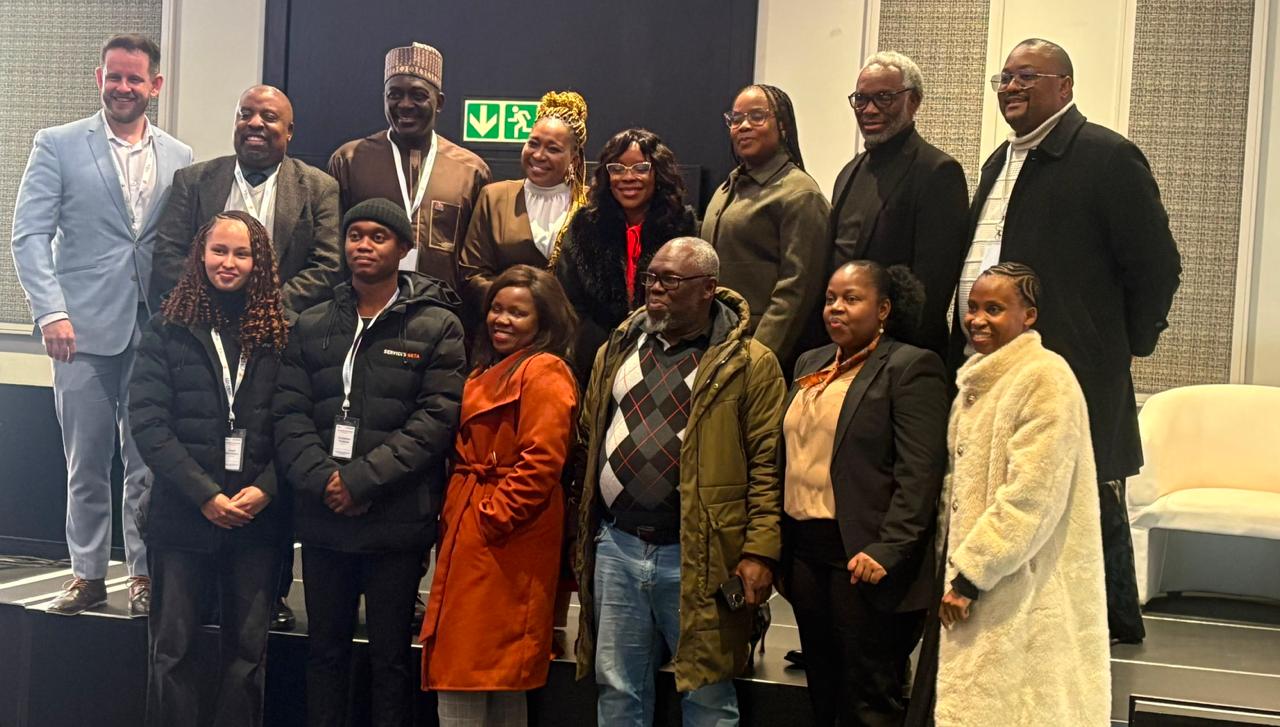
The call was made by Prof. Emmanuel S. Dandaura, Chairman of the Continental Advisory Committee of the World Public Relations Forum (WPRF) Abuja 2026 and Vice President, Vice Chairman of Council of the Nigerian Institute of Public Relations (NIPR), during his contributions to a symposium on the African Declaration held in Sandton, South Africa.
Dandaura warned that the profession is at a critical crossroads requiring practitioners, particularly younger professionals, to continuously retool, network and participate actively in global conversations shaping the future of Public Relations.
“Every public relations professional is currently at a crossroads that requires us to retool, network, and share experiences. Engaging in global conversations is no longer optional; if you are not participating in these dialogues, you are not preparing to be a public relations professional of the future.”
His intervention placed particular emphasis on the need to build a credible succession pipeline for the profession in Africa, stressing that bringing young people into Public Relations is only the beginning. They must be deliberately equipped with the professional, ethical, technological and intellectual competencies required to become credible practitioners and future leaders.
Dandaura expressed the Nigerian Institute of Public Relations’ readiness to work with the Public Relations Institute of Southern Africa (PRISA) and other professional bodies to develop appropriate frameworks for strengthening the capabilities of young and emerging practitioners.
He said such collaboration should move beyond isolated training programmes towards a more structured continental approach to professional development, mentorship and succession.
The proposal comes against the backdrop of what Dandaura described as a new phase of institutional confidence for Nigeria’s Public Relations profession, under the leadership of Dr Ike Neliaku, President and Chairman of Council of NIPR.
Dandaura acknowledged Neliaku’s leadership of the Council as a significant factor in the repositioning of NIPR and the enhanced visibility and influence Nigeria now enjoys within the African and global Public Relations community. Under the current Council, the Institute has pursued a stronger professional and international orientation, including expanded relationships, professional development initiatives and efforts to place Nigerian Public Relations more prominently on the global map. That institutional momentum, Dandaura suggested, creates an opportunity for NIPR to look beyond Nigeria and contribute to the development of the profession across the continent.
He pointed to the proposed University of Public Relations and Leadership (UPRL), Gudi, Nigeria, where he serves as Chairman of the Project Implementation Committee, as one of the platforms through which this ambition can be advanced.
Dandaura said the development of the University provides an opportunity to build a stronger bridge between professional practice and academic preparation, particularly at a time when Artificial Intelligence, digital platforms, misinformation and changing audience expectations are transforming the communication profession.
As Chairman of the UPRL Project Implementation Committee, he said PRISA could leverage the NIPR Professional Standards Guide, alongside the professional and academic frameworks being developed for the University, to contribute to a robust model for preparing future communication professionals.
The objective, he explained, is to ensure that young people entering the profession are not merely taught how to communicate, but are groomed to become credible, ethical, technologically capable and strategically minded professionals capable of assuming leadership responsibilities.
The proposed collaboration with PRISA would therefore complement the broader professional development agenda by creating opportunities for knowledge exchange, skills development, mentorship and cross-border professional exposure.
Dandaura further argued that Africa must develop its own professional capacity while remaining actively connected to global developments. Young African communicators, he said, should be prepared to learn from the world while bringing African experiences, cultures, knowledge systems and professional insights into global communication conversations.
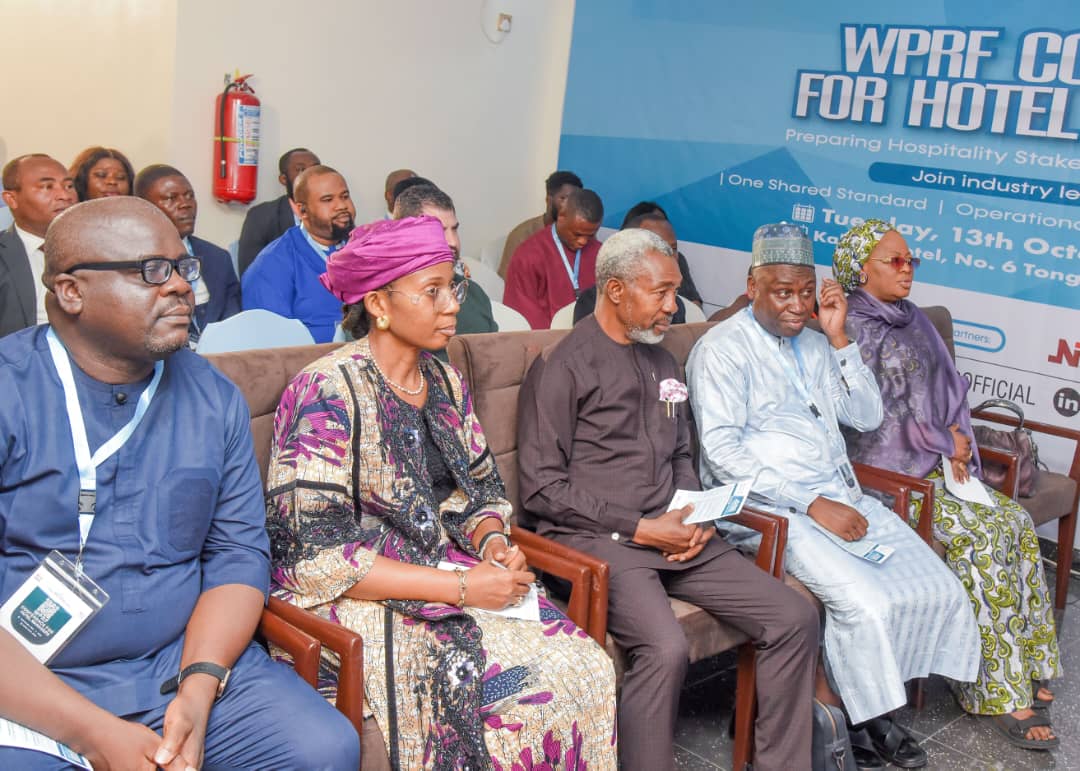
The call is particularly significant as preparations intensify for WPRFAbuja2026, which is expected to bring communication professionals and thought leaders from across Africa and beyond to Abuja.
For Dandaura, the Forum should not be viewed simply as a major international gathering. It should become a platform through which the next generation of African communicators builds relationships, acquires knowledge, engages global professional networks and begins to assume its place in shaping the future of the profession.
The Sandton intervention thus connected three strategic imperatives: stronger professional standards, deliberate youth development and continental collaboration.
For NIPR, it also represents an opportunity to translate the current momentum under Dr Neliaku’s Council into a longer-term legacy, one in which Nigeria’s leadership in Public Relations is measured not only by the prominence of its institutions and professionals today, but also by the quality of the African communication leaders it helps to produce for tomorrow.
The message from Sandton was unequivocal: Africa cannot leave professional succession to chance. The next generation must be deliberately groomed, professionally grounded and given the platforms to participate in shaping the future of Public Relations.