NYSC's Reputation Must Reflect on People's Encounter, Experience, Prof. Dandaura Tells PR Officers
Public relations officers of the National Youth Service Corps (NYSC) have been reminded that the reputation of the scheme is not built on the volume of information released to the public space but the consistency in doing the right things over a period of time.
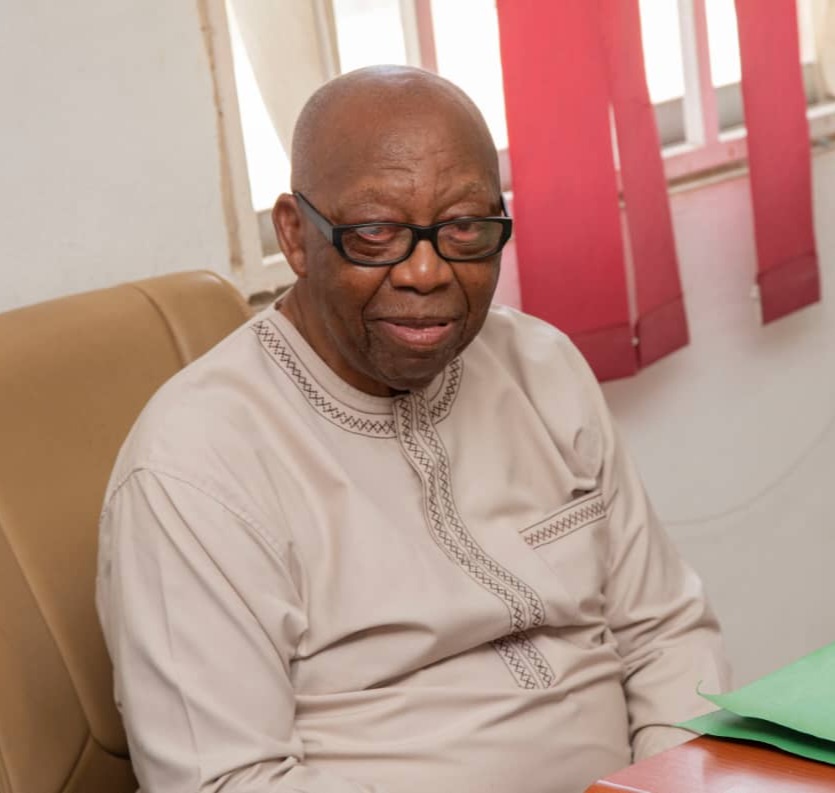
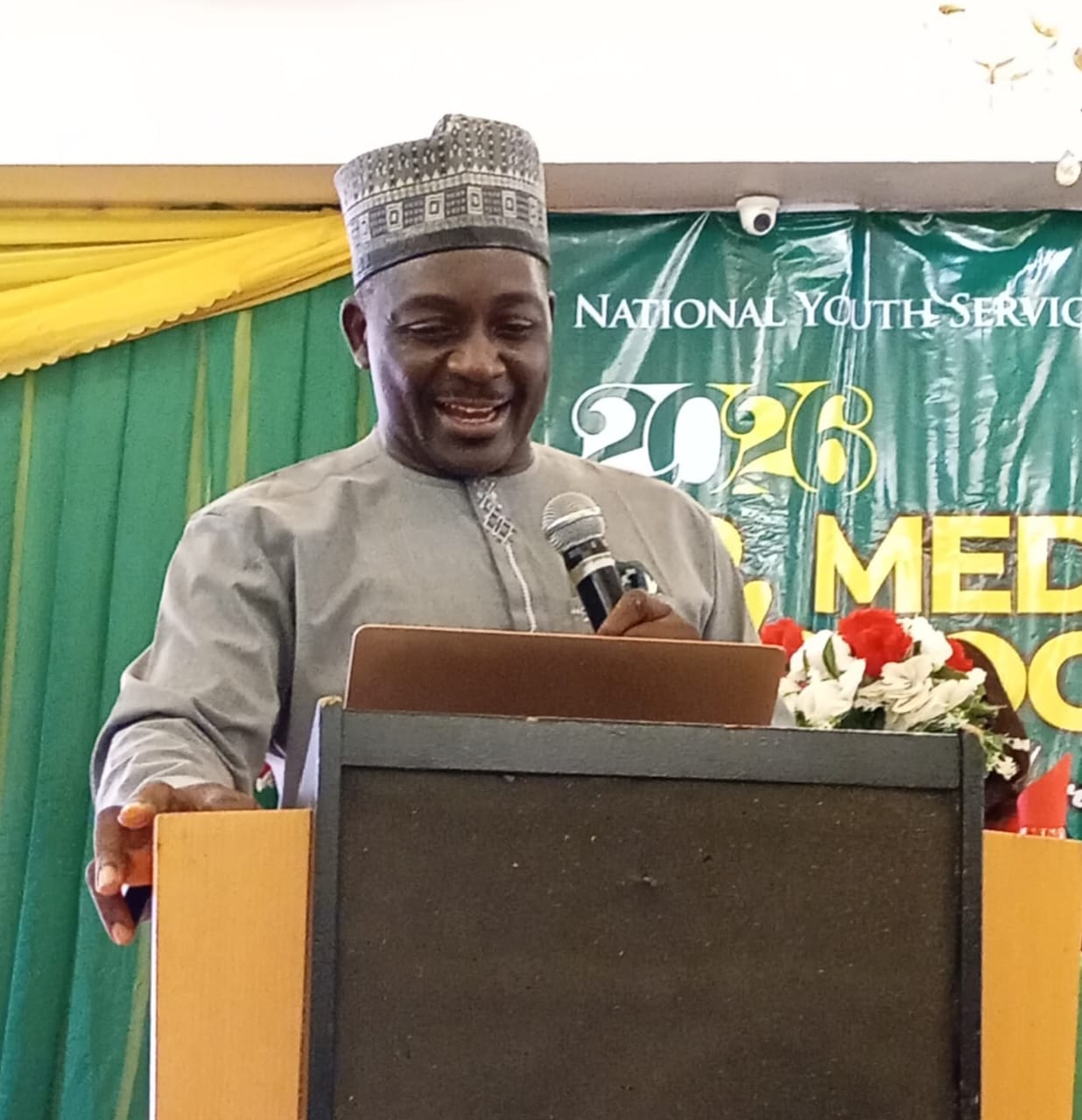
These were words of the Vice President of the Nigerian Institute of Public Relations (NIPR), Prof. Emmanuel Dandaura during a capacity building programme organised for public relations, media and protocol officers of the NYSC in Abuja.
Prof. Dandaura who served as the Guest Lecturer spoke on, "Managing Perception, Protecting Reputation: Communication Strategies for NYSC". He urged the participants drawn from across the country to be consistent in ensuring that each encounter with stakeholders of the scheme serves as an opportunity to leave a good memory.
He said beyond rhetoric, the people's experience of NYSC must align with the messaging as a way of deepening trust and building a lasting reputation, urging the officers to uphold the culture of doing things the right way.
"You have a responsibility to help NYSC to build a reputation, and you cannot build it on nothing. You will not be the one to determine the reputation, but you can contribute towards building it. You can do this by ensuring that the scheme does the right things all the time, so that as people experience NYSC, they will have a good feel.
"It is their decision to say you are reputable and not you telling them that you are reputable. That is different from perception, which you can shape easily. You can say beautiful things, and they will clap for you, but at the end of the day, when they hear those beautiful things, and they experience NYSC but what they take away is not as good as the message you have passed across", he stated.
According to Prof. Dandaura, a professor of Strategic Communication, lack of believability and inconsistency between promise and deliverables affects trust and ultimately has a negative impact on reputation, calling on the participants to contribute in giving various segments of the stakeholders the right experiences consistently.
He advised them to stop seeing themselves as mere perception shapers and image makers which he said is temporary, but view their work as a leadership function targeted at raising the reputation capital. "If your practice is tilted towards image making, you are in the wrong place. This is not the age that public relations is practiced as image making. Today, it has evolved as a leadership function and that is why NIPR is establishing the University of Public Relations and Leadership because both complement each other", he noted.
Prof. Dandaura urged the participants to see themselves as reputation counsellors and be proactive in their duties to offer advice to the management, anchored in clear understanding of the operating environment, ability to gather the right data and capacity to predict an outcome.
While thanking the scheme for prioritising capacity development among its workforce, he called on the participants to add value to the reputation of the scheme by providing the right input that will guide management decisions in a manner that addresses the concerns of various segments of its stakeholders.